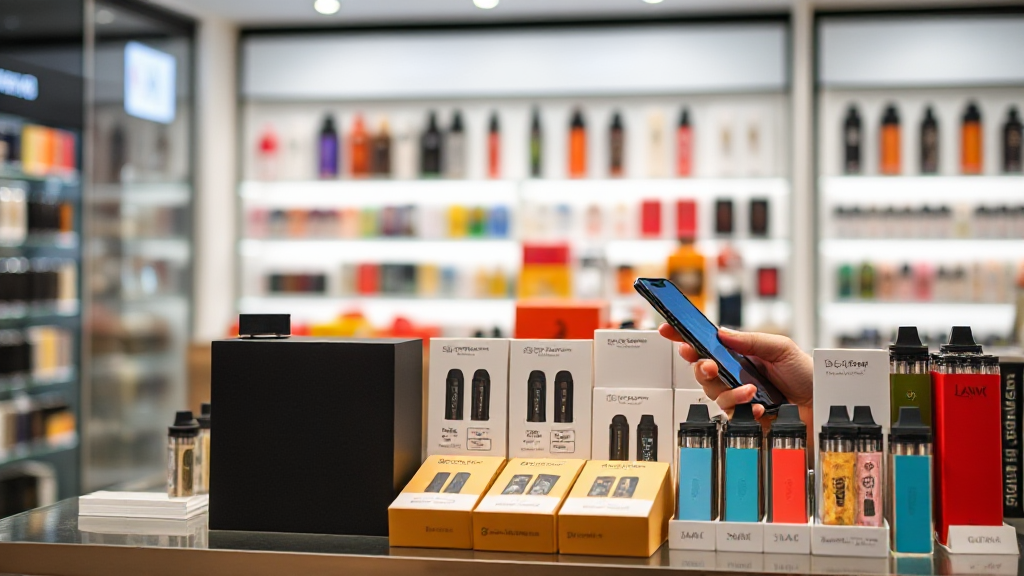
How to Get a Working Vape Contact in Singapore Without Wasting a Single Message
Most guides about finding a vape contact in Singapore skip the one thing that actually decides whether you get a reply: the quality of the first message you send. They jump straight to “find a seller, place an order, wait for delivery” as if every seller treats every incoming message the same way. They do not. After comparing how several buyers approached this and what actually came back, the pattern is clear. The people who get fast, clean results are not luckier. They send better first messages, to better-prepared sellers, and they know exactly what to confirm before any money moves.
This is a mistake-and-correction breakdown. Each section names a common error, explains why it costs you time or money, and gives the fix that turns it into a working result. By the end you will have a repeatable process: from the very first message to a delivered package you can actually verify.
Mistake 1: Treating “contact” as a search problem instead of a clarity problem
The first mistake is assuming the hard part is finding someone to message. In practice, contact options are not scarce. What is scarce is a contact channel that tells you, before you commit, what the seller stocks, how fast they deliver, and how they handle payment. A random number that replies with “what you want” and nothing else is technically a contact, but it is not a working one.
The correction is to evaluate the contact channel itself, not just the fact that it exists. A useful contact point should show three things without you having to drag them out: current stock, delivery timing, and a clear payment method. When you look at how vape delivery singapore services present themselves, the ones worth your time lead with readiness rather than mystery. They list what is available, they state that same-day delivery is on the table, and they do not make you guess whether anyone is actually awake on the other end.
So before you type anything, ask a single screening question: does this contact point answer the three basics on its own? If yes, you are dealing with a prepared seller. If no, you are about to spend an hour negotiating information that should have been public. Move on.
This reframe matters because it changes what you do first. Instead of collecting ten numbers and messaging all of them, you shortlist two or three channels that already demonstrate they are organised. That alone removes most of the frustration people associate with this process.
Mistake 2: Sending a vague opener and then blaming the seller for a slow reply
Here is the most common error, and it is entirely self-inflicted. The first message reads something like “hi, available?” or “do you have stock?” That message is impossible to answer well. It does not say what you want, how many, where you are, or when you need it. A busy seller has to reply with a question just to understand yours, which doubles the back-and-forth before anything useful happens.
The correction is a structured first message. It should contain four pieces of information in one go:
1. The specific product or category you want.
2. The quantity.
3. Your general location in Singapore.
4. Your preferred delivery window.
A message like “Looking for one Lana Pix 20000 Puffs, delivery to Tampines, ideally today before 8pm” can be answered in a single reply. A message like “available?” cannot. When you compare the two approaches side by side, the structured message consistently gets a faster, more useful response because it removes every reason for a clarifying question.
There is a second layer to this fix. Name the product precisely. If you are after a specific model, say so rather than describing it loosely. Buyers who already know they want something from a lana vape shop get better results when they use the actual product name, because the seller can check stock immediately instead of guessing what you mean.
One more detail that people overlook: send your message during realistic hours. A structured message at 3am still sits until morning. A structured message at 11am gets handled while the seller is active. The content of your message matters, but timing your send to normal operating hours is the free upgrade most people never think about.
Mistake 3: Not confirming stock, price and delivery in the same conversation
The third mistake is splitting a single decision across three separate conversations. A buyer confirms stock in one message, asks about price in another, then asks about delivery timing in a third. Each gap introduces delay, and worse, each gap introduces ambiguity. By the time you have all three answers, the stock you confirmed may already be gone.
The correction is to lock all three variables in one exchange. When you get a reply, immediately confirm: the exact item and quantity, the total price including delivery, and the delivery window you are agreeing to. If any of those three is missing, ask for it before you proceed. This is not being difficult; it is being precise, and precise buyers get precise service.
This is also where you verify that the seller actually offers the delivery model you expect. A contact that supports same-day delivery should be able to tell you, in the same message, roughly when the package will arrive. If the answer is vague, that is your signal to slow down and ask a direct question rather than assuming.
Here is a simple confirmation template you can reuse: “Confirming one Lana Trend 6000 Puffs, total $X delivered to my area, arriving today between 6 and 9pm. Correct?” A single “yes” from the seller closes the loop. If the reply is anything other than a clear confirmation, treat the deal as unconfirmed and keep the conversation open until it is.
Buyers who use this pattern report far fewer surprises, because nothing about the transaction is left to interpretation. The seller knows exactly what they are committing to, and you know exactly what you are paying for.
Mistake 4: Ignoring payment and packaging details until the last minute
Plenty of otherwise careful buyers handle stock and timing well, then fumble the final step by leaving payment and packaging until the courier is already on the way. This is the mistake that turns a smooth order into a stressful one. Payment methods vary, and if you have not confirmed which one the seller accepts, you can end up scrambling while a delivery is pending.
The correction is to settle payment and packaging in the same conversation where you confirm the order, not after. Ask two direct questions: how do you want to be paid, and how is the package presented? A seller who offers discreet packaging will tell you so plainly. A seller who does not will dodge the question, which is useful information in itself.
Discreet packaging is not a minor detail. It is one of the reasons people prefer a dedicated online shop over an informal arrangement. When you are comparing options, treat a clear answer on packaging as a quality signal. It tells you the seller has thought about the customer experience end to end, not just the sale.
Payment confirmation deserves the same precision. Once you have paid, send a short message stating the amount and the reference, and ask for a confirmation in return. This creates a record both sides can point to if anything goes sideways. It takes ten seconds and eliminates an entire category of dispute.
If you are ordering from a service that advertises lana singapore delivery, the expectation is that these details are handled cleanly and quickly. Hold the contact to that standard. A prepared seller will not be offended by a direct question about payment or packaging; they will answer it, because they already have the answer ready.
Mistake 5: Failing to verify the seller before the first order
The fifth mistake is the most expensive one: treating every contact as equally trustworthy. A reply is not the same as reliability. Anyone can answer a message. The question is whether the seller has ready stock, a consistent delivery record, and a support channel that stays responsive after payment.
The correction is a short verification routine you run before committing to a first order. It has three checks:
First, does the seller show current stock rather than promising to “check”? Ready stock is a concrete claim, and sellers who have it are not shy about saying so. Second, does the seller describe a delivery process with specifics, or do they speak only in generalities? Third, is there a support channel you can reach after the order, or does communication go quiet once payment clears?
A seller that passes all three is a contact worth keeping. A seller that fails any of them is a one-time risk you do not need to take. When you look at how a lana vape singapore service positions itself, the tell is in the details: named products, stated delivery windows, and an active support line. Those are the markers of a seller who expects repeat customers, not one-off transactions.
There is a practical benefit to this routine beyond safety. Sellers who pass verification are also faster to deal with, because they have already organised the information you need. You spend less time chasing answers and more time completing the order. Verification is not just a risk filter; it is a speed filter.
Once you find a contact that passes, keep it. The value of a reliable contact compounds over time, because each subsequent order requires less back-and-forth. The first order is the hardest; everything after it is routine.
Mistake 6: Losing the thread after delivery instead of closing the loop
The final mistake happens after the package arrives. The buyer receives the order, is satisfied, and then never confirms anything. That seems harmless, but it costs you the one thing that makes future orders easy: a clean record with the seller. If you ever need to reference what you ordered, when it arrived, or what you paid, that record is what you rely on.
The correction is a two-line close. When the package arrives, send a short confirmation: “Received, all good, thanks.” Then note the details somewhere for yourself: item, quantity, price, date, and the contact you used. This takes under a minute and turns a one-off transaction into a documented relationship.
This close also gives you leverage. A seller who knows you confirm receipt and keep records treats you as a serious customer. On your next order, you can reference the previous one, which shortens the whole process. You already know the product names, the payment method, and the delivery window that worked. The second order takes a fraction of the effort of the first.
If something does go wrong, the close is what protects you. A confirmed receipt with a record behind it is far easier to resolve than a vague memory of “I think I ordered something last week.” The sellers who handle problems well are the same ones who pass the verification routine in the previous section, and they respond best to customers who communicate clearly.
There is also a comparison point worth noting here. Buyers who close the loop consistently end up with two or three trusted contacts they reuse, instead of constantly hunting for new ones. Buyers who skip the close start from zero every time. Over a year, the difference in time and stress is substantial.
The short version: what actually produces a working result
Strip away the noise and the process is six corrections stacked in order. Screen the contact channel for stock, timing and payment before you message. Send a structured first message with product, quantity, location and window. Confirm stock, price and delivery in one exchange. Settle payment and packaging before the courier moves. Verify the seller with three quick checks. Close the loop after delivery and keep the record.
Each correction removes a specific failure point. The vague opener becomes a precise request. The split conversation becomes a single confirmation. The last-minute scramble becomes an upfront agreement. The blind first order becomes a verified relationship. The forgotten delivery becomes a documented one.
What ties it together is treating contact as a process rather than a lucky find. The sellers worth your time are the ones who make that process easy, and they are not hard to identify once you know what to look for. A contact that answers the basics, stocks what it advertises, delivers when it says it will, and stays reachable afterward is the whole game. When you find one that fits, whether it is a general singapore lana vape service or a specific product line, the smart move is to keep using it and stop shopping around.
Start with the screening question, send the structured message, and let the quality of the reply tell you whether you have found something worth keeping. That is the entire method, and it works from the very first message to a delivered result you can confirm.