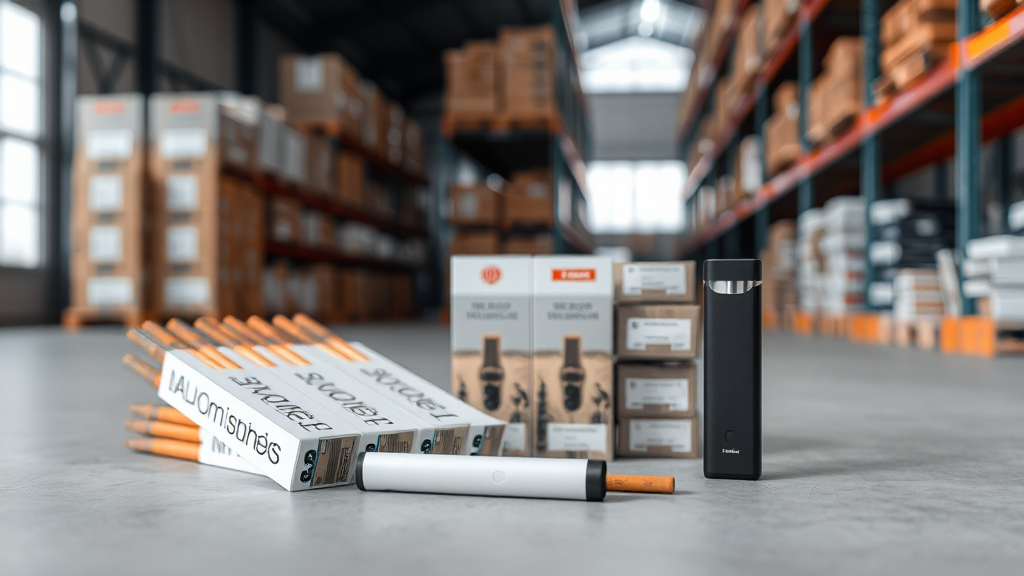
Heated Tobacco Sticks: A Practical Guide to Buying, Using, and Storing Them in the EU
Heated tobacco has moved from a niche experiment to a mainstream category across much of Europe, and the small consumable at the centre of it all is the stick. If you have already switched from conventional cigarettes, or you are considering it, understanding how these products work, which brands and device families exist, and how to buy them reliably will save you both money and frustration. This guide walks through the practical side of heated tobacco sticks — what they are, how they differ from cigarettes and vapes, how to match sticks to devices, and how to order carton quantities with delivery across the EU.
What Exactly Are Heated Tobacco Sticks?
A heated tobacco stick is a small, cigarette-shaped unit containing a measured portion of processed tobacco. Instead of being burned at high temperatures like a conventional cigarette, the tobacco inside the stick is heated to a lower temperature by a dedicated electronic device. Because there is no combustion, there is no ash and no lingering smoke in the traditional sense — what you exhale is an aerosol rather than smoke.
The stick itself is engineered with several layers. There is the tobacco plug, a hollow filter or cooling section, and a wrapper that holds everything together. Some designs also include a foil element that interacts with the heating blade or heating chamber inside the device. This construction matters because it determines airflow, draw resistance, and how evenly the tobacco is heated. A stick that is not designed for a particular device simply will not perform properly, which is why compatibility is the single most important thing to check before buying.
It is worth being precise about terminology. In everyday conversation people say “sticks,” but on packaging you will see brand-specific names such as TEREA, LEVIA, DELIA, NEO, VEO, RIVO, and VIRTO. These are not different product categories — they are product lines built for specific device families from IQOS, glo, and Ploom. Knowing which family your device belongs to is the key to a smooth experience.
How Heated Tobacco Differs from Cigarettes and Vapes
The three categories are often lumped together, but they are genuinely different products with different mechanics.
Conventional cigarettes burn tobacco at very high temperatures, producing tar, ash, and smoke as by-products of combustion. The experience is defined by that burn.
Vaping products contain no tobacco leaf at all. They heat a liquid, usually containing nicotine, propylene glycol, vegetable glycerine, and flavourings. The aerosol comes from the liquid, not from tobacco.
Heated tobacco sticks sit between the two. They contain real tobacco, they are heated rather than burned, and they produce an aerosol with a taste profile that many users describe as closer to a cigarette than a vape. Because the tobacco is real, the product is regulated as a tobacco product in most EU markets, which affects labelling, advertising, and where it can be sold.
This distinction has practical consequences. You cannot use a vape liquid in a heated tobacco device, and you cannot use a heated tobacco stick in a vape. The consumables are not interchangeable, and neither are the devices. If you are transitioning from smoking, the closest sensory experience is generally a heated tobacco stick, which is one reason the category has grown so quickly among adult smokers in Europe.
Matching Sticks to Devices: The Compatibility Question
Compatibility is where most new buyers make mistakes. The general rule is simple: each stick line is built for a specific device family, and mixing them rarely works well.
For IQOS devices, the modern stick lines are typically TEREA and LEVIA, with DELIA also appearing in certain markets and device generations. Older IQOS models used different stick formats, so if you are holding onto an earlier device, check the packaging carefully before ordering a carton.
For glo devices, the relevant consumable lines include NEO and VEO, depending on the device generation and the market in which it was released. glo has gone through several hardware revisions, and the stick format has evolved alongside them.
For Ploom devices, the matching consumable lines include RIVO and VIRTO, again tied to specific device generations.
Kent also appears in the heated tobacco landscape in certain markets and formats. Because regional packaging and device generations vary, the safest approach is to identify your exact device model first, then order the stick line that matches it. A reputable retailer will list compatibility clearly, and that is far more reliable than guessing based on brand names alone.
Flavour Profiles and Strength: What to Expect
Heated tobacco sticks come in a wide range of flavour profiles, and the range has expanded considerably as the category has matured. Broadly, you will find:
Tobacco-forward options that aim to replicate the taste of a conventional cigarette, often with notes of roasted tobacco, wood, and slight sweetness. These tend to be the most popular choice for people who have recently switched.
Menthol and cooling options that add a fresh, minty, or icy sensation. Menthol regulations in the EU have changed the way some of these products are labelled and formulated, so availability varies by market.
Fruity and aromatic blends that introduce citrus, berry, or other flavour notes. These are often favoured by users who want something clearly different from a cigarette.
Strength is usually expressed in terms of nicotine delivery, and it varies by product line and variant. If you are new to heated tobacco, starting with a tobacco-forward variant in a moderate strength is a common approach, then adjusting once you know how the device performs for you. Buying a single pack before committing to a carton is a sensible way to test a flavour without over-investing.
Why Carton Quantities Make Sense for Regular Users
If you use heated tobacco daily, you already know that sticks are a consumable — you go through them steadily, and running out is inconvenient. Buying in carton quantities addresses several practical problems at once.
First, cost efficiency. Cartons are almost always priced better per pack than single packs, and the saving compounds over a year of regular use.
Second, availability. If your preferred variant is popular, single packs can sell out. A carton order means you are not scrambling when local stock is thin.
Third, freshness and consistency. Sealed original packs stored correctly keep their quality far better than loose packs that have been sitting on a shelf and handled repeatedly.
Fourth, convenience. One order, one delivery, and you are set for weeks rather than days. For anyone in the EU who has struggled to find a specific stick line locally, ordering by the carton from a specialist retailer is often the most reliable route.
Buying Heated Tobacco Sticks Online in the EU
Online purchasing has become the norm for this category, partly because physical retail availability varies so much from country to country. A few things separate a good buying experience from a frustrating one.
Check that the product is described as sealed and original. Genuine sealed packs protect freshness and ensure you are getting the product the manufacturer intended. Resealed or repackaged goods are a warning sign.
Confirm compatibility before you order. The listing should state which device family the stick line is built for. If it does not, ask.
Look at shipping coverage and timelines. EU-wide delivery is common among specialist retailers, but dispatch times, courier options, and delivery windows vary. A clear shipping policy is a good indicator of a professional operation.
Check age verification and compliance. These are regulated tobacco products intended for adults. A legitimate retailer will have proper age checks and clear terms.
Read the returns and support policy. Even with the best planning, an order can go wrong. Knowing how the retailer handles issues matters.
Specialist shops that focus on this category tend to be more useful than general marketplaces, because they understand device generations, stick compatibility, and the practical realities of shipping tobacco products across borders. If you want sealed original packs by the carton with EU delivery, working with a dedicated supplier removes a lot of guesswork.
Storing Your Sticks Properly
Storage is underrated. Heated tobacco sticks are a tobacco product, and like all tobacco products they respond to their environment.
Keep them sealed until use. Once a pack is opened, the tobacco begins to dry out and lose aroma. If you are working through a carton, open one pack at a time.
Avoid heat and direct sunlight. High temperatures degrade the tobacco and can affect the wrapper and filter. A cool, dark cupboard is ideal.
Manage humidity. Very dry air pulls moisture out of the tobacco; very damp conditions can encourage mould. A stable indoor environment is usually fine.
Keep them away from strong odours. Tobacco absorbs surrounding smells, which can subtly alter the flavour.
Respect shelf life. While sticks do not expire overnight, they are best used within a reasonable period. Rotating your stock so older packs are used first is a simple habit that pays off.
Using Your Device: Small Habits That Improve the Experience
Device maintenance has a direct effect on how your sticks perform. A few habits make a noticeable difference.
Clean the heating element or chamber regularly according to the manufacturer’s instructions. Residue builds up over time and can affect both flavour and heating consistency. Charge the device fully before a session; a weak battery can lead to incomplete heating and a disappointing draw. Insert the stick fully and correctly — a partially inserted stick is one of the most common causes of poor performance. Finally, give the device a moment between uses if the manufacturer recommends it, since some models benefit from a short cooldown.
If a stick tastes off or produces very little aerosol, the cause is usually one of three things: a dirty device, a low battery, or a stick that is not matched to the device. Working through those three checks solves most problems.
Regulation and Responsible Use
Heated tobacco products are regulated as tobacco products across the EU. That means age restrictions apply, advertising is limited, and packaging carries health warnings. These rules exist for good reason, and any reputable retailer will comply with them.
Heated tobacco is not risk-free. It is intended for adults who already use tobacco or nicotine products. If you do not currently use tobacco, this category is not for you. If you are pregnant, have cardiovascular or respiratory conditions, or are taking medication, speak to a healthcare professional before making any change. Nothing in this guide is medical advice.
What heated tobacco does offer is a different delivery mechanism for adults who have decided to move away from combustible cigarettes. That is the context in which the category makes sense.
Common Mistakes to Avoid
Most bad experiences with heated tobacco sticks trace back to a handful of avoidable errors.
Buying the wrong stick line for your device is the most frequent. Always verify compatibility. Buying single packs at full price when you use the product daily is an easy way to overspend. Storing cartons in a warm car or a sunny windowsill damages the product. Ignoring device cleaning leads to declining performance that users often blame on the sticks. And buying from unclear sources risks counterfeit or improperly stored goods.
A little attention at the buying stage prevents nearly all of these problems.
Frequently Asked Questions
Are heated tobacco sticks the same as cigarettes?
No. Cigarettes burn tobacco, producing smoke and ash. Heated tobacco sticks are heated at a lower temperature by an electronic device, producing an aerosol instead of smoke. They still contain tobacco and nicotine and are regulated as tobacco products.
Can I use any stick with any device?
No. Stick lines are built for specific device families. TEREA and LEVIA are associated with IQOS, NEO and VEO with glo, and RIVO and VIRTO with Ploom, though exact compatibility depends on device generation and market. Always check before ordering.
How should I store a carton of sticks?
Keep the carton sealed in a cool, dark, dry place away from direct sunlight and strong odours. Open one pack at a time so the remaining packs stay fresh, and rotate stock so older packs are used first.
Do heated tobacco sticks expire?
They do not expire abruptly, but flavour and moisture quality decline over time, especially if stored poorly. Using them within a reasonable period and storing them correctly keeps the experience consistent.
Can I order heated tobacco sticks with EU delivery?
Yes. Specialist online retailers ship sealed original packs by the carton to many EU countries. Check the retailer’s shipping coverage, dispatch times, age verification process, and returns policy before ordering.
Is heated tobacco safer than smoking?
Heated tobacco products do not produce smoke from combustion, which is a meaningful difference. However, they are not risk-free, and they are intended for adults who already use tobacco or nicotine products. Consult a healthcare professional if you have questions about your own situation.
Final Thoughts
Heated tobacco sticks are a small product with a lot of detail behind them. Getting the compatibility right, choosing a flavour and strength that suit you, buying in carton quantities if you use them regularly, and storing them properly will make the whole experience smoother and more economical. For adult users across the EU, ordering sealed original packs from a specialist supplier is the most dependable way to keep a steady supply of the stick line your device actually needs.